The internet has made our lives easier than ever. We can communicate instantly, shop from anywhere, invest in digital assets, and connect with people across the globe.
Unfortunately, scammers have evolved right alongside technology.
Every day, thousands of people lose money, personal information, and even access to their accounts because they missed a few warning signs. The good news? Most scams follow predictable patterns.
If you learn to recognize these red flags, you’ll dramatically reduce your chances of becoming a victim.
Let’s explore the 12 warning signs every internet user should know. 🚨
1. They Create a Sense of Urgency
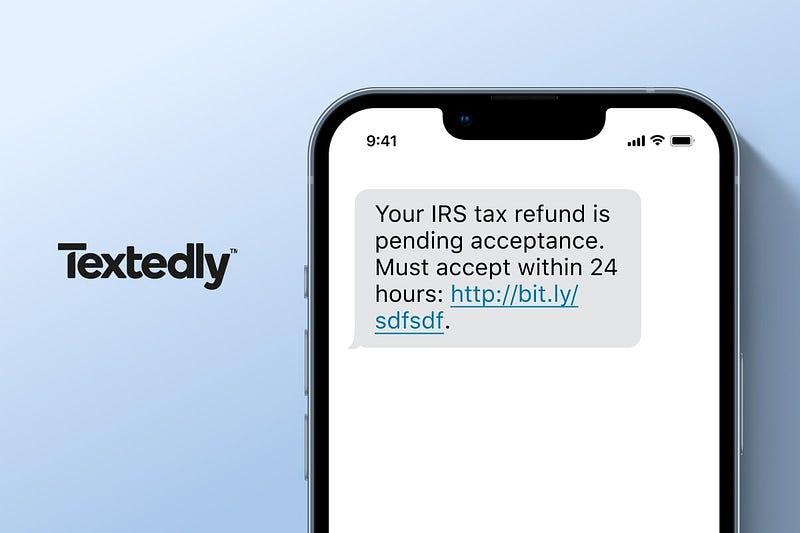
One of the oldest tricks in the scammer’s playbook is making you feel rushed.
You might see messages like:
- “Your account will be suspended within 24 hours!”
- “Limited-time investment opportunity!”
- “Claim your prize before midnight!”
Scammers know that people make poor decisions when they feel pressured.
✅ Always pause and verify before taking action.
2. The Offer Sounds Too Good to Be True
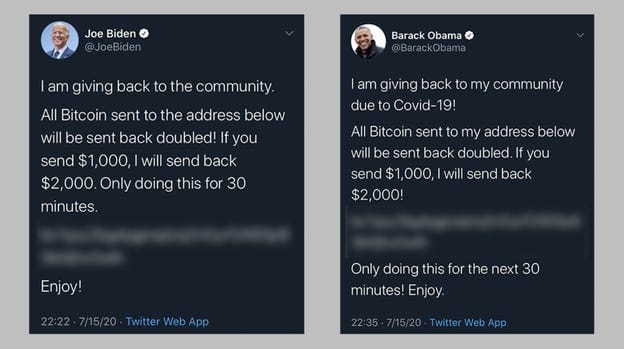
If someone promises huge profits with little or no risk, be skeptical.
Examples include:
- Guaranteed investment returns
- Doubling your cryptocurrency
- Free money for a small upfront payment
- Exclusive insider opportunities
Remember: legitimate investments always involve risk.
💡 If it sounds too good to be true, it usually is.
3. They Ask for Upfront Payments
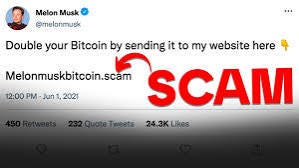
Many scams begin with a small payment request.
You may be told the payment is needed for:
- Processing fees
- Taxes
- Account activation
- Prize claims
- Verification costs
After you pay, they often ask for even more money.
A legitimate company rarely asks you to pay first in order to receive money later.
4. They Contact You Out of Nowhere
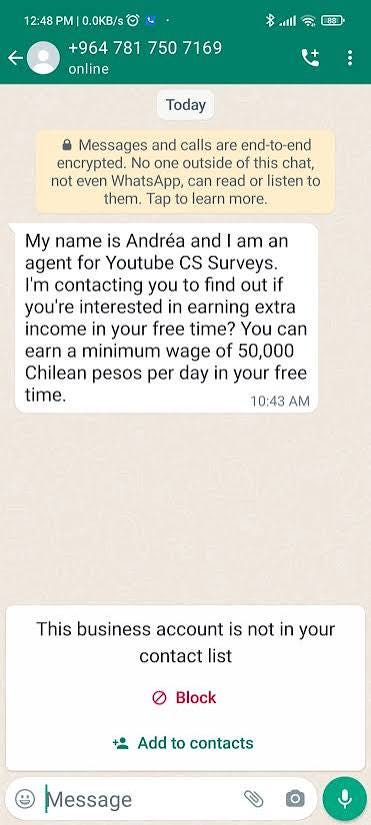
Unexpected messages deserve extra caution.
Be wary if a stranger suddenly contacts you about:
- Investments
- Business opportunities
- Cryptocurrency projects
- Romance
- Job offers
Scammers frequently use social media, messaging apps, and email to reach potential victims.
Always verify who you’re talking to.
5. The Website Looks Suspicious
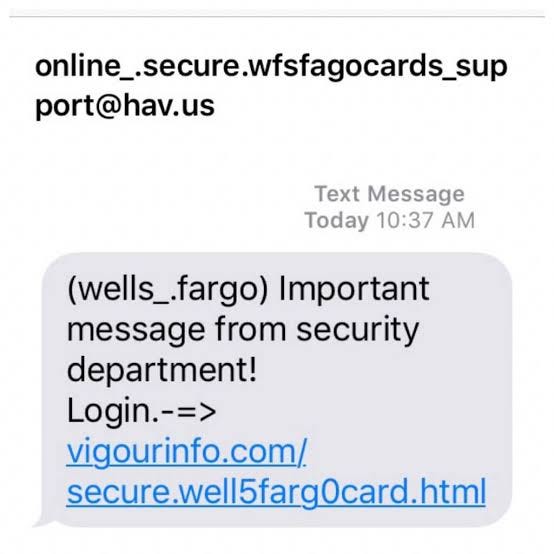
Before entering personal information, inspect the website carefully.
Warning signs include:
- Strange domain names
- Numerous spelling mistakes
- Missing contact information
- Broken pages
- Poor design quality
A professional-looking website doesn’t guarantee legitimacy, but a suspicious-looking one is definitely a warning sign.
🔍 Take a few minutes to investigate before trusting any site.
6. They Ask for Sensitive Information
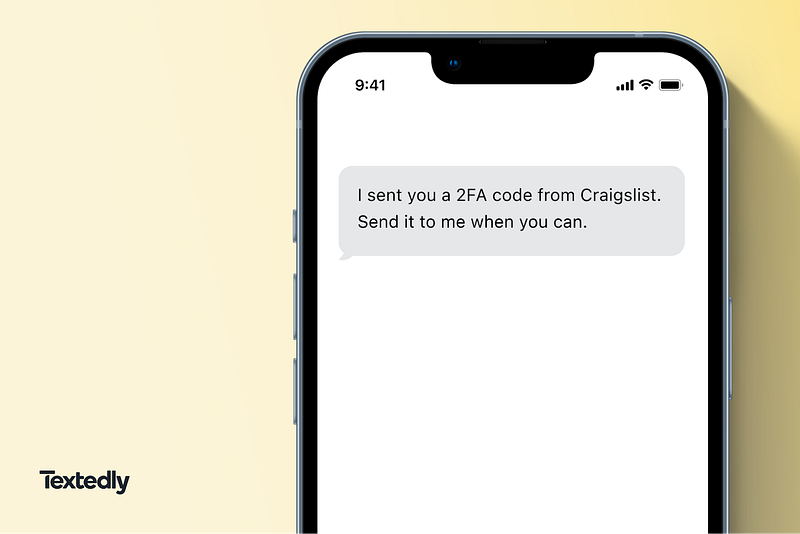
Legitimate organizations will rarely ask for sensitive information through email or direct messages.
Never share:
- Passwords
- Recovery phrases
- Private keys
- Verification codes
- Banking credentials
Especially in the crypto world, giving away your wallet’s recovery phrase is equivalent to handing someone your funds.
7. They Refuse Verification
Trustworthy people and businesses generally have no problem proving who they are.
Be cautious if someone:
- Refuses video calls
- Avoids answering questions
- Cannot provide proof of identity
- Has no verifiable online presence
Transparency builds trust. Secrecy destroys it.
8. They Pressure You to Keep Secrets
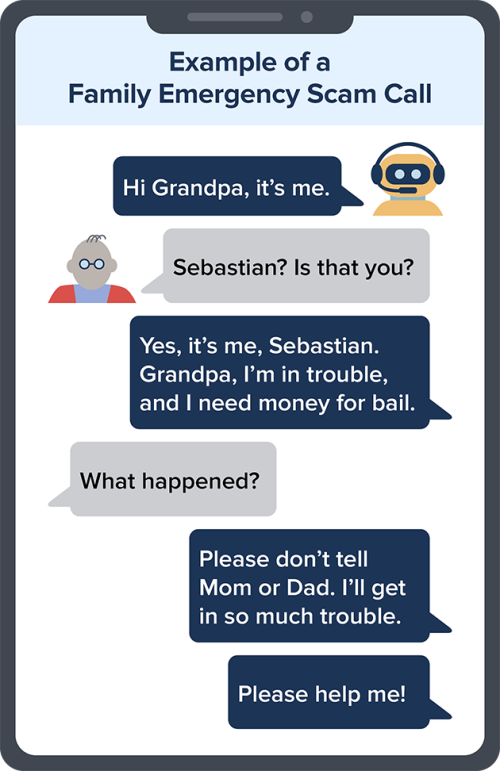 |
A scammer may tell you:
- “Don’t tell your family.”
- “This opportunity is confidential.”
- “Keep this between us.”
Why?
Because they don’t want someone else pointing out the obvious warning signs.
Honest opportunities don’t require secrecy.
🚩 Secrecy is often a major red flag.
9. Crypto Payments Only
While cryptocurrency itself is legitimate, scammers often prefer it because transactions are difficult to reverse.
Be especially careful when someone insists on:
- Bitcoin only
- USDT only
- Direct wallet transfers
- Immediate crypto payments
If there’s no alternative payment option and no verifiable business behind the request, proceed with extreme caution.
10. Fake Reviews and Testimonials
Not every review you see online is genuine.
Scammers frequently:
- Use stock photos
- Create fake success stories
- Purchase fake reviews
- Generate AI-written testimonials
Look beyond the reviews on their own website and search for independent opinions.
11. They Avoid Simple Questions
Ask questions.
A legitimate person will usually provide clear and consistent answers.
Scammers often:
- Change the subject
- Give vague responses
- Become defensive
- Pressure you to stop asking questions
Curiosity is one of your strongest defenses.
Never feel guilty for verifying information.
12. Something Just Feels Wrong
Sometimes your instincts notice problems before your brain does.
If something feels off:
- Slow down
- Research further
- Ask for a second opinion
- Verify independently
Trust your judgment.
Many scam victims later say they had doubts but ignored them.
Listen to those doubts.
What Should You Do If You Suspect a Scam?
If you think you’re dealing with a scammer:
✅ Stop communicating immediately.
✅ Never send additional money.
✅ Change passwords if you’ve shared credentials.
✅ Enable two-factor authentication.
✅ Report the account, website, or message.
✅ Warn friends and family.
The sooner you act, the better your chances of minimizing damage.
Final Thoughts
Online scammers are becoming more sophisticated every year, but their tactics remain surprisingly similar.
They rely on urgency, emotions, secrecy, and trust.
By learning these warning signs and staying vigilant, you can protect your money, your personal information, and your peace of mind. 🛡️
Knowledge is one of the most effective defenses against fraud.
At TheBenefactor.net, our mission is built around helping others and sharing valuable information. If this article helped you learn something new, consider sharing it with friends and family. A simple share could prevent someone from becoming the next victim of an online scam. 🛡️
Frequently Asked Questions (FAQ)
1. What is the most common sign of an online scam?
The most common warning sign is urgency. Scammers often pressure victims to act quickly before they have time to think or verify information.
2. Can professional-looking websites still be scams?
Yes. Modern scammers can create convincing websites that appear legitimate. Always research the company, check reviews from independent sources, and verify contact information before trusting a website.
3. Why do scammers prefer cryptocurrency payments?
Cryptocurrency transactions are generally irreversible. Once funds are sent to a scammer’s wallet, recovering them can be extremely difficult.
4. What should I do if I already sent money to a scammer?
Stop all communication immediately, contact your bank or payment provider if applicable, secure your accounts, change passwords, and report the scam to relevant authorities or platforms as soon as possible.