
Posted on Mar 8, 2026
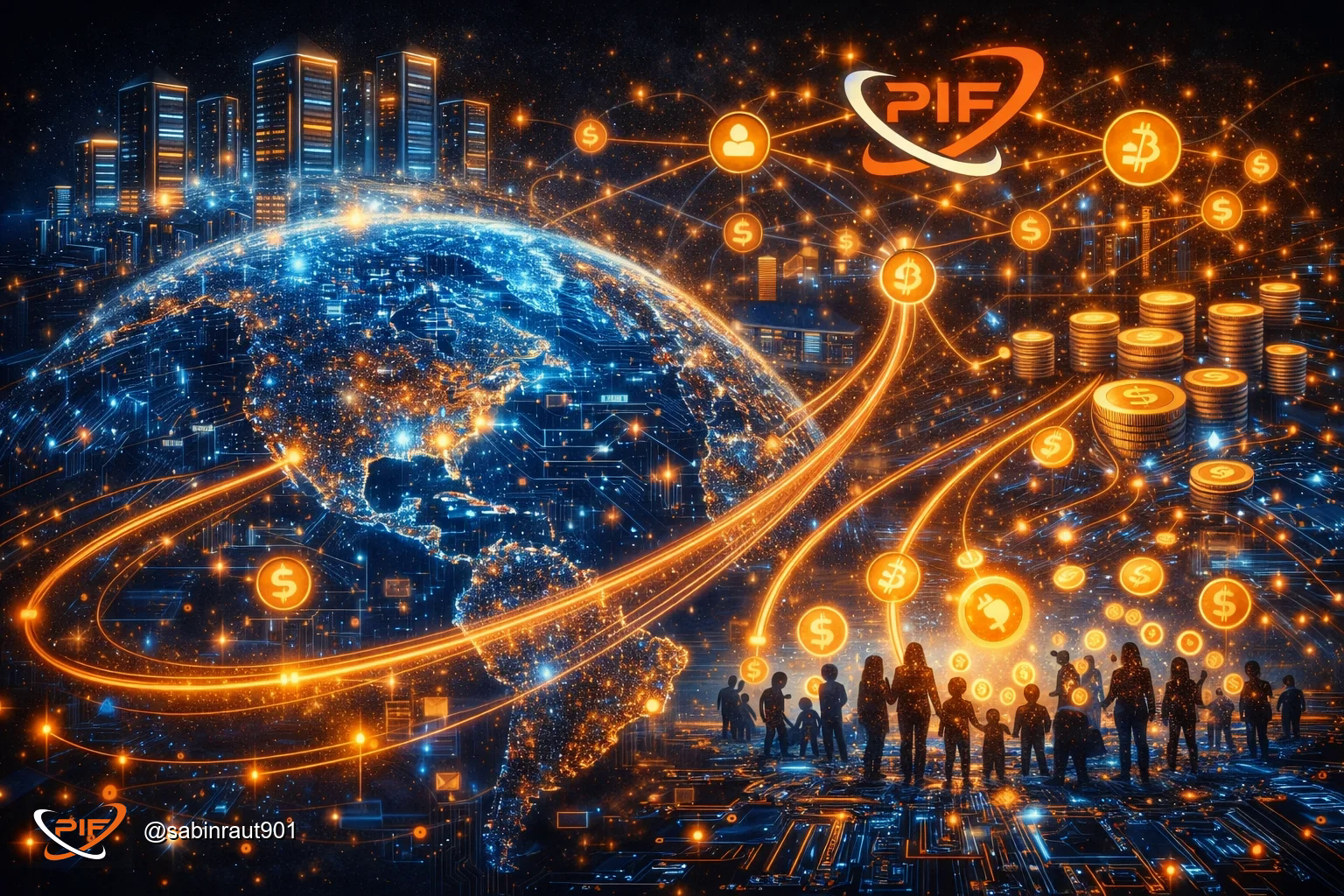
Money has evolved many times throughout history. It began as physical coins and paper, then became digital numbers stored in banks. But even though money went digital, the system behind it remained slow, dependent on intermediaries, and built on infrastructure designed decades ago. What people now call “Dollar 2.0” is essentially an upgrade to that infrastructure. Tokenized dollars and stablecoins allow value to move across blockchain networks almost instantly, turning money into something programmable. Payments can settle in seconds, execute automatically through smart contracts, and move globally without the traditional delays of banking systems. In simple terms, it is not about creating a new dollar, but redesigning the rails that the dollar moves on in the digital age.
What makes this shift interesting is how it connects to the broader internet economy. If programmable dollars become the financial layer of the internet, then platforms built around participation and community ownership could become the application layer on top of it. For years, users generated enormous value online through content, discussions, and communities, while most of the economic rewards stayed with the platforms. New models like SocialFi are experimenting with distributing some of that value back to users. In that sense, Dollar 2.0 upgrades how money moves, while SocialFi explores who should earn from the digital economy. If both evolve together, the next generation of the internet may not just move information instantly, but also move value instantly to the people who create it.