


Blockchains aren’t just about crypto — they’re about trust.
One thing I’m learning is that a blockchain is basically a shared digital ledger that anyone can verify, but no single person or company controls. Every transaction or record is grouped into “blocks,” and each block is linked to the previous one, forming a chain. Once information is recorded in a block, it’s extremely difficult to change or tamper with, which adds security and transparency in a way that traditional systems often can’t.
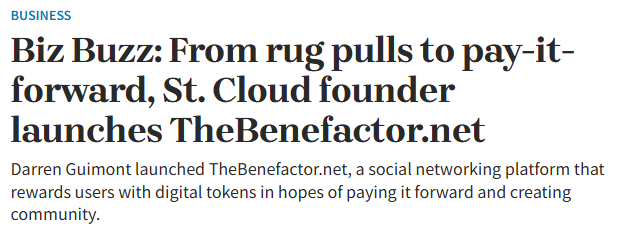
What makes blockchains especially interesting is how they enable trustless systems. For example, on platforms like TheBenefactor.net, rewards and engagement can be tracked and distributed automatically through smart contracts. Users don’t need to rely on a central authority to verify that someone completed a task or earned tokens — the blockchain ensures that all actions are recorded fairly and permanently.
Blockchains also power ownership of digital assets. NFTs, digital collectibles, and other tokens exist on blockchains, meaning users truly own them, can transfer them, and can verify ownership without intermediaries. Similarly, decentralized finance (DeFi) applications use blockchains to allow lending, borrowing, and staking of assets without a bank in the middle.
Even beyond finance, blockchains are being explored for supply chain transparency, voting systems, and identity verification, showing that the technology isn’t just about cryptocurrency — it’s a foundational tool for building trust in a digital world.
By combining transparency, security, and decentralization, blockchains allow platforms like Web3 communities to reward participation, enforce rules automatically, and create value for users in a fair and verifiable way, which TheBenefactor.Net does!
What was the moment when blockchains first “clicked” for you, or what part are you still curious about?


Look at you... already sounding like an expert!



Posted on Jan 13, 2026
❤️❤️❤️